
Introduction
Website velocity is amongst the vital elements affecting user experience and search engine optimization (SEO). Fast loading website enable visitors access the data quickly, lower bounce rate and keep users in the site longer. Page speed is one of the ranking factors in search engines like Google because they aim to deliver the best experience to users when browsing. Visitors quickly become frustrated with slow loading & rendering pages, causing them not to engage and convert. For businesses, bloggers, and online stores especially, enhancing website speed is important for improved visibility to increase traffic and search engine rankings.
Optimize Images and Media Files
The large size of images is one of the biggest reasons for slow website performance. High-resolution pictures use even more bandwidth and need longer to pack. Use modern formats (WebP, AVIF) to compress images without losing visual quality Lazy loading is another way1, which allows you to load images only when they are scrolled into view by the user therefore, it helps optimize page speed because it prevents unnecessary image data from being fetched on initial load. When possible, videos should be optimized externally too. Websites can benefit from better loading time and a more seamless experience for visitors.
Enable Browser Caching
Browser Caching stores the resources of websites(Images, Stylesheets, Scripts) on a user’s device which are frequently used. When users visit the site again, their browser is able to load these files from local storage instead of downloading them from the server again. This minimizes page load time and boosts performance significantly. Correct caching settings allow websites to serve content faster and reduce server load and bandwidth usage. This ultimately generates a better user experience, which can help boost SEO performance.
Minify CSS, JavaScript, and HTML
Website code typically includes a lot of unnecessary indentation, comments and formatting features that unnecessarily increase the file size. Minification, on the other hand, get rid of these things resulting into a smaller and instantly download-able files. Merging CSS and JS files will also help minimize the number of requests to load a webpage. Various optimization tools can be used to automate this process. Less complex and lighter code leads to faster rendering, enabling search engines to crawl pages better and resulting in enhanced performance of the website.
Take Advantage of a Content Delivery Network (CDN)
A Content Delivery Network (CDN) serves website content from different servers based on certain geographic locations. When the users given a request from a website, then it pops up with its close server which gives low latency and load responsive time. CDNs are particularly useful for websites with a global audience, as they will ensure that the content loads quickly no matter where users are located. Due to reduced page load time, better speed improves user satisfaction enormously and helps with increased performance towards SEO.
Improve Server Performance
Web hosting is one of the main reasons for a website’s speed. If server resources are highly utilized by many websites, shared hosting plans may slow down your site. A more stable hosting provider, VPS or cloud hosting service may help with this problem. Frequent server maintenance, the use of fast database queries and running on updated software editions also assist in reducing page load time. Optimize server to facilitate faster and consistent delivery of content to the user.
Reduce Redirects and Plugins
Too many redirects will leed to make several requests between browser and server, which increases loading time. Site owners should get rid of the extra redirects and make sure that important pages are accessed directly. At the same time, having access to a lot of plugins will lead to your website running slower because they add bloat to your site in terms of extra code and also additional database queries. Regularly auditing your list of plugins allows you to remove the ones you do not use often or are poorly optimized already. A streamlined website structure is ideal from both the speed (of loading) and the user experience standpoint.
Monitor and Test Website Speed
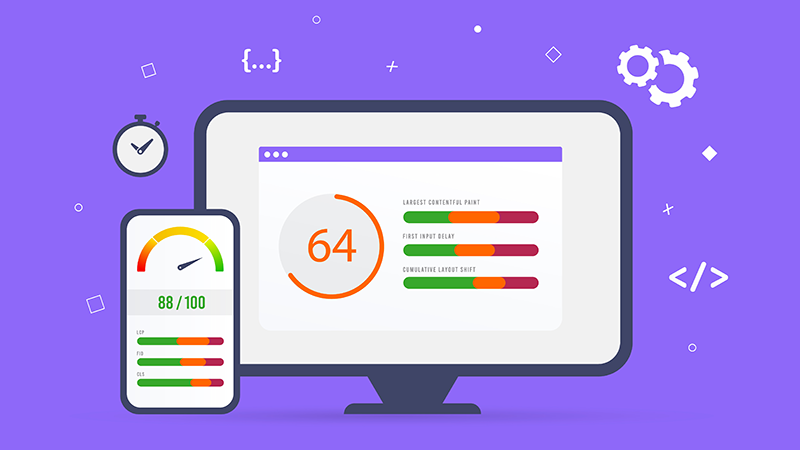
Website speed is a factor that can regularly be monitored to ensure proper performance. Page speed analyzers are types of tools that identify what is affecting your loading times with actionable next step recommendations. Test your pages routine testing on desktop and mobile versions of your pages helps to make sure they are running beautifully. Keeping track of things will help you detect a problem and prevent speed loss or ranking loss in search engines.
Conclusion
Website speed is a vital element of SEO strategy in the modern world. Speeding up the website helps provide a good experience, reduces bounce rates, and improves chances of ranking higher on Google Search. Improving or optimising images, enabling browser caching, minifying CSS and JavaScript files, implementing CDN services, improve server performance, removing Redirects & eliminating unnecessary plugins and monitoring performance regularly allows the owners to increase site speed. So, you know what investing in speed optimisation not just boosts your business prospects by implementing better SEO methods but also helps your users to stay satisfied and engaged.